
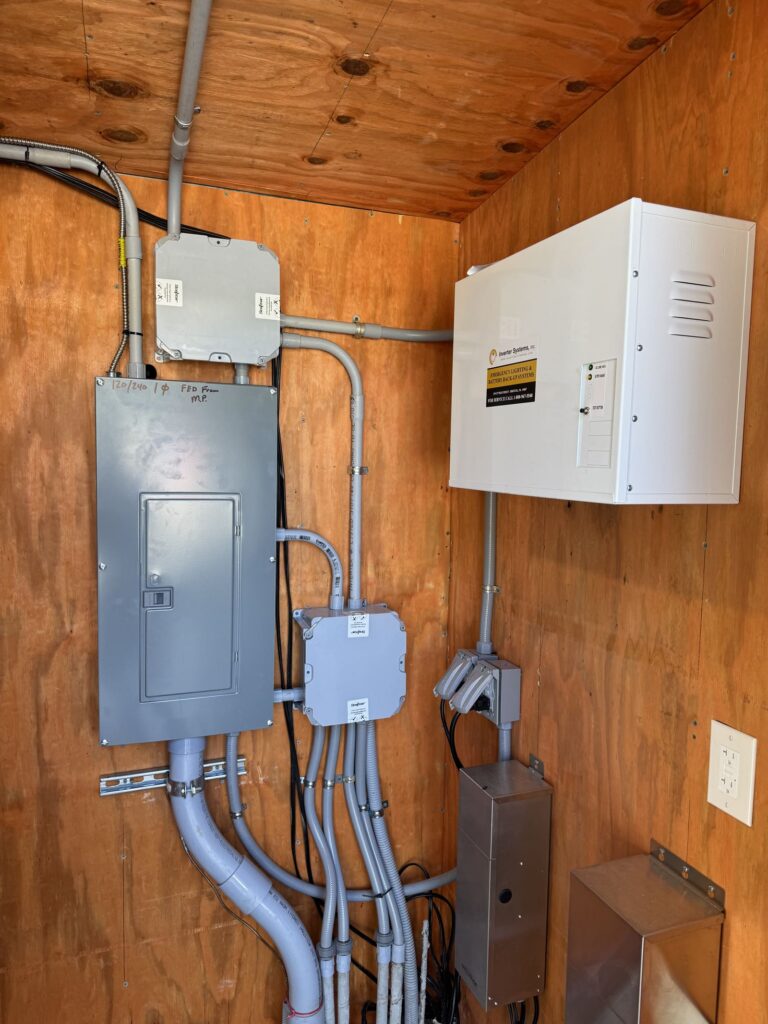
Electrical systems quietly power our lives every day, running behind walls and above ceilings without much thought until something goes wrong. For homeowners and property managers across Liberty Hill and Bertram, maintaining a safe and reliable electrical system is essential. Outdated electrical wiring or degrading conductors can transform from a minor inconvenience into a serious fire hazard. Knowing when to replace old electrical wiring protects your building, your property, and everyone inside it.
How do you know when electrical wiring needs to be replaced?
Electrical wiring may need to be replaced when it shows signs of deterioration, overheating, damage, or insufficient capacity. Frequent breaker trips, flickering lights, burning odors, buzzing outlets, and outdated wiring are reasons to have the electrical system inspected by a qualified electrician.
How Long Does Electrical Wiring Last?
Electrical wiring generally lasts between 40 and 70 years, but its lifespan depends heavily on the materials used, insulation quality, and overall electrical demand.
Many older properties across Central Texas were built during eras when electrical demand was a fraction of what it is today. Decades ago, a standard building might only power a few lamps, a refrigerator, and a television. Today, heavy appliances, climate control systems, computers, and specialized equipment place a continuous load on old wiring in house installations. Over time, heat generated by electrical current breaks down the protective insulation surrounding the wires. As insulation brittlely cracks or flakes away, exposed conductors increase the risk of short circuits and arcing.
Property owners often ask how often electrical wiring should be replaced to ensure long-term performance. While there is no rigid expiration date printed on electrical cable, any system over 40 years old warrants a professional electrical safety inspection. An inspection evaluates whether your existing infrastructure can safely handle current electrical loads or if age-related wear has compromised system safety.
8 Signs Your Electrical Wiring May Need to Be Replaced
Recognizing signs of old electrical wiring early helps prevent sudden system outages and hazardous electrical conditions.
| Warning Sign | Primary Indicator | Risk Level |
|---|---|---|
| Frequent Breaker Trips | Circuits continually shut down under normal operational loads | High |
| Flickering or Dimming Lights | Current drops when heavy appliances kick on | Medium |
| Burning Smells | Odors resembling burning plastic or vinyl near panels/outlets | Critical |
| Warm or Discolored Outlets | Heat buildup or dark scorch marks on faceplates | Critical |
| Buzzing or Crackling Sounds | Audible humming or arcing noises inside walls or switches | Critical |
| Electrical Shocks or Tingling | Minor shocks when touching switches, plugs, or appliances | High |
| Insufficient Power Output | Plugs easily fall out or devices run weakly | Medium |
| Visible Wiring Deterioration | Frayed, cracked, or cloth-covered insulation exposed | High |
Frequent circuit breaker trips signal that your system is overloaded or experiencing an internal fault. When breakers trip repeatedly, the system is actively preventing a potential overload fire. Similarly, if overhead lights dim whenever high-draw equipment cycles on, your conductors are struggling to deliver steady voltage.
Audible buzzing, warm outlet covers, or a persistent burning smell indicate active overheating. In these situations, turning off power at the main panel and arranging an immediate inspection is the safest course of action. Spotting any of these signs that you need rewiring means your system requires prompt professional attention.
What Types of Electrical Wiring May Need an Upgrade?
Certain types of outdated electrical wiring installed in past decades are inherently unsafe by modern standards and usually require replacement.
Types of Legacy Electrical Systems
Common in structures built before 1950, knob-and-tube systems use open copper conductors routed through porcelain insulators. These systems lack a grounding conductor, dissipate heat poorly when covered by modern thermal insulation, and were never designed for modern electrical loads.
Aluminum Wiring Installed extensively during the 1960s and 1970s, aluminum wiring expands and contracts much more than copper when carrying current. This thermal movement causes connections at switches and outlets to loosen over time, creating high-resistance points that generate dangerous heat.
Cloth-Insulated Wiring Popular in the mid-20th century, cloth-insulated wire features a cotton or rayon jacket over rubber insulation. Over decades, the rubber hardens and crumbles, leaving bare conductors inside electrical boxes and walls.
Improperly Modified Systems Unprofessional DIY modifications, unsafe splices made outside junction boxes, and oversized breakers forced onto undersized wires all create severe hazards that demand professional electrical rewiring.
Does an Older Home Always Need Rewiring?
Building age alone does not automatically mean a complete electrical rewiring is necessary.
A well-maintained property built decades ago may have undergone previous electrical upgrades that brought its infrastructure up to contemporary safety codes. Conversely, a property that appears modern may contain hidden structural modifications or improper electrical alterations that pose significant risks. Rather than assuming total replacement is required based solely on the year a structure was built, an electrician should evaluate the overall health, grounding integrity, and load capability of your specific setup.
What Happens During an Electrical Wiring Inspection?
An electrical safety inspection provides a comprehensive evaluation of your property’s internal power network.
Step 1: Panel Board and Service Entrance Evaluation The technician examines the main distribution panel to check for proper breaker sizing, signs of overheating, corrosion, and overall busbar condition.
Step 2: Circuit and Grounding Verification Using specialized testing equipment, the electrician verifies that circuits are properly grounded and that polarity is correct across all switches and receptacles.
Step 3: Physical Wiring Condition Assessment Representative outlets, light fixtures, and junction boxes are opened to inspect conductor material, insulation integrity, and splice quality.
Step 4: Load and Capacity Analysis The electrician calculates your overall demand to determine if your main service can safely support your current and future electrical needs.
When Is Partial Rewiring Enough?
In many instances, property owners do not need to replace every foot of wire throughout a building.
Partial electrical rewiring is often sufficient when unsafe or outdated electrical wiring is localized to specific areas. For example, if an addition features modern copper wiring while an older section retains cloth-covered conductors, replacing wire only in the older section can restore safety. Partial upgrades are also common when renovating high-demand areas like kitchens, workshops, or utility rooms where new high-amp circuits are required.
When Is a Complete Electrical Rewire Recommended?
A complete system overhaul becomes necessary when safety hazards are widespread throughout the structure.
Complete electrical rewiring is recommended if your building relies entirely on knob-and-tube or aluminum conductors, if insulation has degraded throughout the property, or if previous unpermitted work created hazards in every wall. Full electrical wiring replacement ensures that every circuit meets modern code, incorporates proper grounding, and supplies reliable power safely to every room.
How Much Does Electrical Rewiring Cost?
The overall investment for electrical rewiring depends on property size, architectural layout, accessibility, and the total number of required circuits.
Factors such as crawlspace access, multi-story construction, and drywall repair affect total labor requirements. While a complete system replacement represents a meaningful investment, it restores long-term safety, improves power delivery, supports modern technology, and significantly lowers the risk of catastrophic electrical fires.
Test Your Electrical Safety Knowledge
- Does a tripping circuit breaker always mean the breaker itself is broken? Answer: No. A tripping breaker usually means it is doing its job by cutting power to an overloaded or shorted circuit.
- Is aluminum wiring safe if it has been properly retrofitted with rated connectors? Answer: Yes, certified repair methods (like special pressure connectors) can mitigate aluminum wiring risks, though complete replacement remains the gold standard.
- Can you tell if wiring is damaged without opening walls? Answer: Yes. Licensed electricians use thermal imaging cameras and circuit analyzers to detect hidden high-resistance faults behind finished surfaces.
Diagnose Your Wiring with ADG Electrical
Keeping your property safe and fully powered requires an electrical system you can trust. Whether you are dealing with flickering lights, recurring circuit trips, or aging infrastructure, professional inspection and maintenance keep your building operating smoothly. ADG Electrical delivers comprehensive electrical assessment, repair, and rewiring services tailored to properties throughout Liberty Hill, Bertram, and the surrounding regions.
Frequently Asked Questions
Q. How do I know if my house needs rewiring? You likely need rewiring if your property has knob-and-tube or aluminum conductors, persistent breaker trips, discolored outlets, burning smells, or a main panel over 40 years old. An electrical safety inspection provides a definitive diagnosis.
Q. How often should electrical wiring be replaced? Electrical wiring should generally be inspected every 10 years and evaluated for replacement after 40 to 50 years. Increased electrical demand or visible insulation damage may require earlier replacement.
Q. Can old electrical wiring be dangerous? Yes. Old wiring can lose its insulation, overheat, or arc against structural framing. Outdated systems lacking ground wires also increase the risk of electrocution, surges, and electrical fires.